
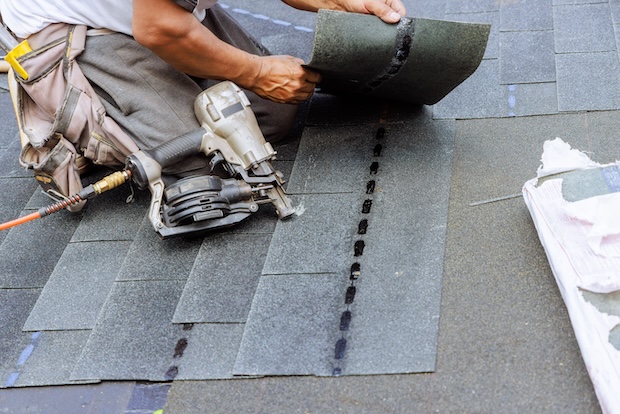
After a bad storm, it’s natural to worry about your roof. Missing shingles, fallen branches, hail, heavy snow, and strong winds can all leave homeowners wondering whether there’s damage, and whether they need to act fast.
Unfortunately, that urgency can also create an opportunity for dishonest contractors. Roofing scams often increase after severe weather, when homeowners are feeling pressure to make fast decisions and may not know exactly what damage they’re dealing with. While many roofing contractors are reputable, some use aggressive sales tactics or misleading promises to push unnecessary repairs or questionable insurance claims. That’s why it’s important to understand what roofing fraud is, how it can affect you, and what warning signs to watch for.
What Is Roofing Fraud?
Roofing fraud happens when the condition of a roof or the cost of repairs is misrepresented in order to secure work or influence an insurance claim. In many cases, it starts with a contractor offering a “free inspection” after a storm and telling a homeowner they have serious damage, sometimes before the roof has been properly evaluated.
A contractor may claim your insurance will pay for a full roof replacement, promise you a “free roof,” or pressure you to sign paperwork right away so they can “handle everything.” In some cases, the damage may be exaggerated. In others, the repairs being recommended may not actually be necessary. What sounds like a helpful offer can quickly become a costly mistake if the contractor is more interested in generating work than protecting your home.
Many homeowners think the worst-case scenario is simply overpaying for repairs. In reality, roofing fraud can create much bigger problems.
If a contractor overstates damage, submits misleading information, or pressures you into unnecessary work, it can lead to:
- Repairs you may not actually need
- Poor workmanship or incomplete work
- Unexpected out-of-pocket costs
- Delays or complications with your insurance claim
- A denied claim if the damage is not actually covered
- Problems if the contractor is not properly licensed or insured
Even homeowners who are trying to do the right thing can end up caught in the middle if they rely on the wrong contractor. That’s why it’s so important to ask questions before signing anything or allowing work to begin.
What Warning Signs Should You Watch For?
Not every contractor who shows up after a storm is acting in bad faith, but there are some common red flags homeowners should take seriously.
Be cautious if a contractor:
- Shows up unsolicited after a storm
- Offers a free inspection and immediately claims major damage
- Says your insurance will definitely cover a full roof replacement
- Promises a “free roof” or says you won’t pay anything out of pocket
- Pressures you to sign paperwork on the spot
- Tells you they’ll deal with the insurance company before you’ve had time to review anything
A reputable contractor should be willing to inspect the roof, explain what they found, provide an estimate, and give you time to make an informed decision. If someone is creating urgency or making big promises before the damage has been properly reviewed, that’s a good reason to pause.
If you believe your roof may have been damaged, there are a few simple steps that can help protect you:
- Get more than one estimate
- Verify the contractor is properly licensed or registered
- Confirm they carry liability insurance and workers’ compensation
- Read all paperwork carefully before signing
- Be cautious of any “too good to be true” promises
And if you’re unsure whether the damage may be covered, or simply want another set of eyes on the situation, give Thorp & Trainer a call at 401.596.0146. We’re happy to help you better understand your coverage and what the next steps may look like before you commit to anything.